
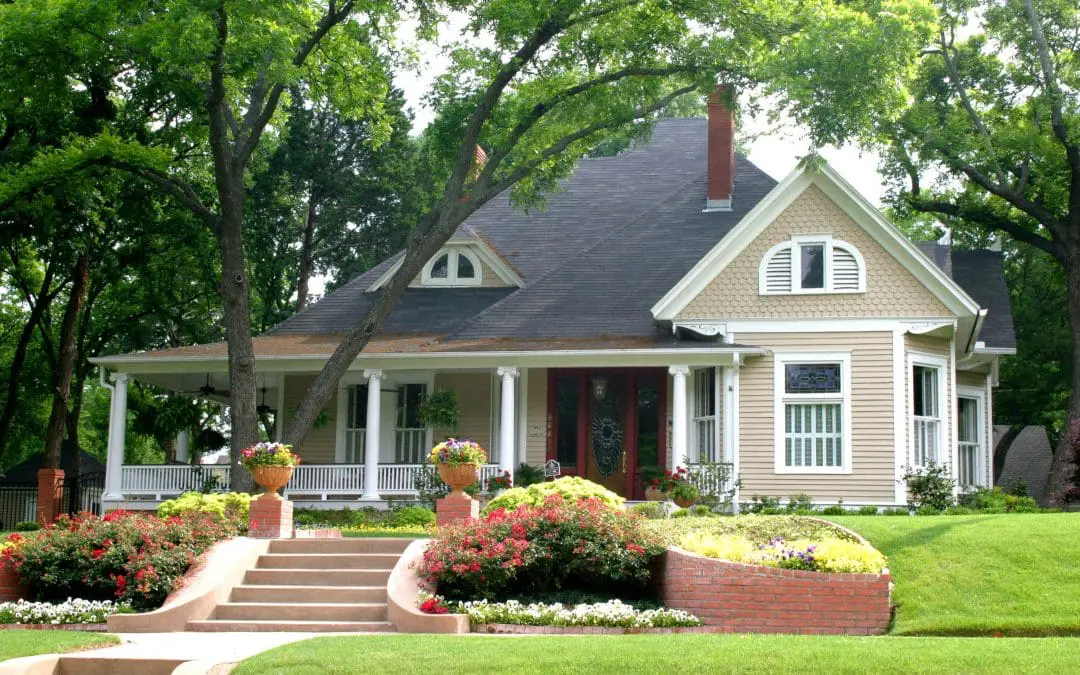
A beautiful yard is the result of thoughtful decisions that consider how a space looks, functions, and will be maintained over time. Whether you’re starting from scratch or refreshing an existing yard, understanding a few core principles of landscape design helps homeowners make smarter choices that deliver lasting results. The good news is that you don’t need a professional landscape architect to create an outdoor space you’re proud of, just the right approach and a clear vision.
Landscape Design Starts With Understanding Your Space
Before purchasing a single plant or paver, take time to truly understand the outdoor space you’re working with. Walk the yard at different times of day and observe where sunlight falls and where shade dominates. Note areas where water tends to pool after rain, where foot traffic naturally flows, and which parts of the yard are most visible from the street or from inside the home. This kind of observation guides every decision that follows and prevents the costly mistake of planting the wrong thing in the wrong place. Soil quality, drainage patterns, and local climate all significantly influence what will thrive in your specific yard. Understanding these factors ensures that your design works with your environment rather than fighting against it.
Create a Clear Plan Before You Start
One of the most important landscape design tips is have a plan before you start digging. Sketch a basic layout of the yard and map out where you want different elements to go: planting beds, lawn areas, pathways, seating zones, and focal points. You don’t need a professional rendering to benefit from planning, even a rough drawing on paper helps you see the big picture and avoid the scattered, uncoordinated look that results from making decisions one piece at a time. Think about the zones you want to create. A clearly delineated zones make a yard feel intentional and organized rather than random. Deciding on these zones upfront also helps you allocate budget more strategically.
Landscape Design Principles That Make a Difference
A few fundamental landscape design principles consistently separate yards that look polished from those that feel incomplete. Balance is one of the most important, distributing visual weight evenly across the space so that one area doesn’t feel overwhelming while another feels sparse. This doesn’t mean perfect symmetry; a naturally balanced asymmetrical design often feels more organic and interesting than a perfectly mirrored layout. Layering is another essential principle. Planting in layers, such as tall trees or large shrubs at the back, medium shrubs in the middle, low ground covers and flowering perennials at the front, creates depth, texture, and visual interest that flat, single-layer planting beds simply can’t achieve. Repeating the same plant, color, or material in multiple areas of the yard creates a sense of unity that makes the overall design feel intentional and well-considered.
Choose Plants That Work for Your Climate and Lifestyle
Plant selection is where many well-intentioned landscape projects go wrong. Choosing plants based purely on appearance, without considering their mature size, water needs, or suitability for your climate, leads to constant maintenance battles and plants that struggle or eventually fail. Native plants are consistently one of the best choices for homeowners because they’ve adapted to local conditions, require less supplemental watering, and tend to be naturally resistant to local pests and disease. Perennials are a smart investment for any landscape because they return year after year without replanting. Combining perennials with a selection of seasonal annuals for color and evergreen shrubs for year-round structure gives the yard visual interest in every season without requiring constant intervention.
Low-maintenance landscaping is achievable with the right plant choices. A yard designed around plants that thrive naturally in your environment will always be easier and less expensive to maintain than one that requires constant intervention to survive.
Thoughtful landscape design transforms a yard from a space you maintain into a space you actually enjoy. With a clear plan, the right plant selections, and a few core design principles in mind, any homeowner can create an outdoor environment that enhances the beauty, functionality, and value of their property for years to come.
Frequently Asked Questions (FAQs)
Where should I start with landscape design?
Start by observing your space, noting sunlight patterns, drainage, soil quality, and how the yard is currently used. Then sketch a basic layout that maps out the zones and features you want before making any purchases or changes.
Do I need a professional landscape designer?
Many homeowners successfully tackle landscape design independently, particularly for smaller or straightforward projects. For complex designs involving grading, irrigation systems, retaining walls, or large-scale plantings, consulting a professional landscape designer or architect could save time, money, and frustration.
What are the most important landscape design principles?
Balance, layering, repetition, and unity are the foundational principles of effective landscape design.
How do I choose the right plants for my landscape?
Choose plants based on your local climate, soil type, available sunlight, and maintenance preferences. Native plants and perennials are generally the most reliable and low-maintenance options.
How can I make my landscaping low maintenance?
Focus on native and drought-tolerant plants suited to your region, reduce lawn area by expanding garden beds or hardscaping, apply mulch consistently to suppress weeds and retain moisture, and group plants with similar water needs together. T