
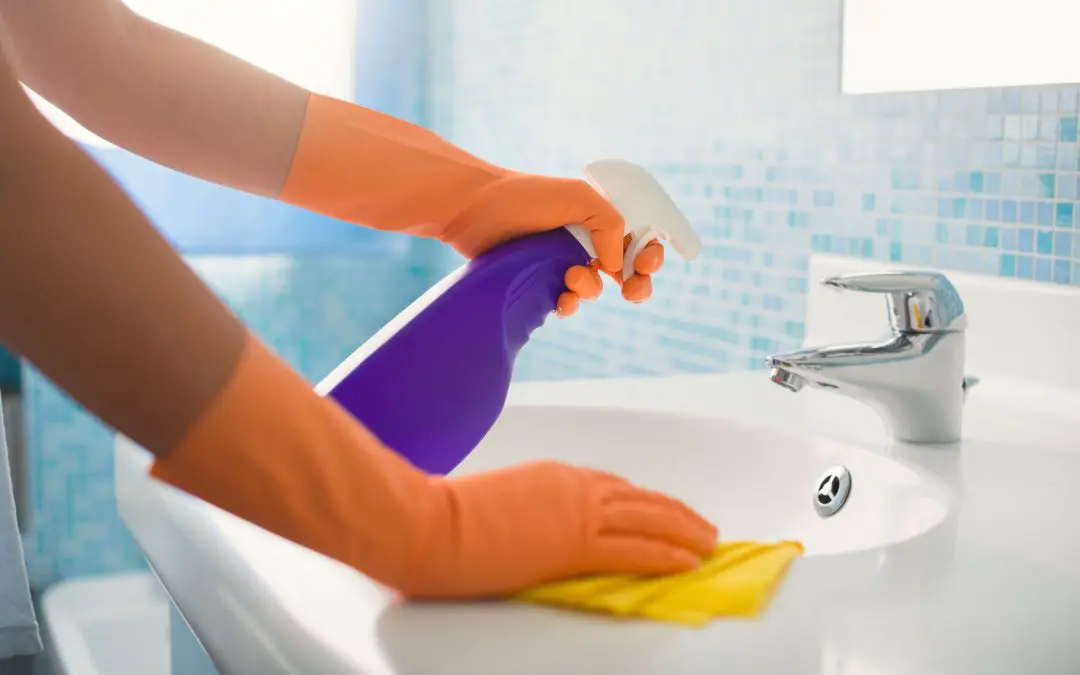
Mastering a few expert bathroom cleaning tips will transform one of the most dreaded household chores into a streamlined, efficient routine that leaves your home feeling fresh. The bathroom is arguably the most hardworking room in any house, enduring constant moisture, heavy foot traffic, and the daily buildup of soap scum and minerals. Because this space is so central to your family’s hygiene and comfort, keeping it sanitized requires more than just a quick wipe-down of the counters. By approaching the task with a strategic plan and the right professional-grade techniques, you will maintain a pristine environment while actually spending less time scrubbing.
Establishing a Bathroom Cleaning Foundation
Before you start, gather all of your necessary supplies so you are not hunting for a specific spray halfway through the process. Using a dedicated caddy to hold your microfiber cloths, non-abrasive scrubbers, and specialized cleaners allows you to move through the room with purpose. Many homeowners make the mistake of spraying a surface and immediately wiping it away. Instead, you should apply your disinfecting cleaners to the tub, shower, and toilet first, then let them sit for at least 10 minutes. This allows the chemicals to break down grime and kill bacteria effectively, doing the heavy lifting for you.
Tackling the Shower and Tub with Ease
The shower is often the most labor-intensive part of the room due to the stubborn nature of soap scum and hard water deposits. Consider using a daily after-shower spray to prevent buildup before it starts. When it is time for a deep clean, reaching for a mixture of white vinegar and a small amount of dish soap will work wonders on glass doors and acrylic tubs. This combination cuts through grease and minerals without the harsh fumes of some industrial cleaners. For those with natural stone tiles, it is crucial to use pH-neutral cleaners to avoid etching the delicate surface. Consistency is key, a quick weekly scrub prevents the need for an exhausting monthly overhaul.
Professional Bathroom Cleaning Tips for Grout and Tile
Nothing ages a bathroom faster than discolored grout. Because grout is porous, it acts like a sponge for moisture and mildew, which could lead to permanent staining if left unaddressed. One of the most effective bathroom cleaning tips for reviving your floors and walls is to use a stiff-bristle nylon brush with a dedicated oxygen bleach solution. Unlike standard chlorine bleach, oxygen bleach is safer for the environment and highly effective at lifting deep-seated dirt from tiny crevices. After you have successfully deep-cleaned your grout, applying a high-quality sealer will provide a protective barrier that makes future cleaning significantly easier. This small extra step protects your investment and keeps the tiled surfaces looking brand new for years.
Sanitizing High-Touch Points and Final Touches
While we often focus on the big surfaces, the smaller details are where germs truly hide. Light switches, faucet handles, door knobs, and toilet flush levers are high-touch areas that require regular attention. Using a quick disinfecting wipe or a sprayed cloth on these points will significantly reduce the spread of germs within the household. Furthermore, don’t forget the mirrors and chrome fixtures. For a streak-free shine, use a dedicated glass cloth or even a piece of dry crumpled newspaper to buff the surfaces after cleaning. Ending your routine by emptying the trash and replacing damp towels with fresh, fluffy ones provides the final touch.
Frequently Asked Questions (FAQs)
How often should I perform a deep clean of my bathroom?
A comprehensive deep clean is usually best performed once a week. This frequency prevents soap scum from hardening and ensures bacteria won’t colonize in damp corners or along the base of the toilet.
How do I remove hard water spots from chrome faucets?
The most effective way to remove hard water spots is to soak a cloth in white vinegar and wrap it around the fixture for about fifteen minutes. The vinegar’s acidity dissolves the calcium and magnesium, allowing you to wipe the spots away with a soft cloth.
Can I use the same cleaner for every surface in the bathroom?
It is generally better to use specialized products for different materials.
Why does my bathroom still smell musty after I have cleaned it?
A lingering smell usually indicates trapped moisture or hidden mold. Check your bath mats; they often hold water and should be laundered frequently. If the smell persists, ensure your ventilation fan is working properly and consider checking behind the pedestal sink or under the vanity for slow leaks.
Home Inspectors of Columbus provides inspections to homebuyers and sellers in the Chattahoochee Valley of Georgia. Contact us to request an appointment for our services.