
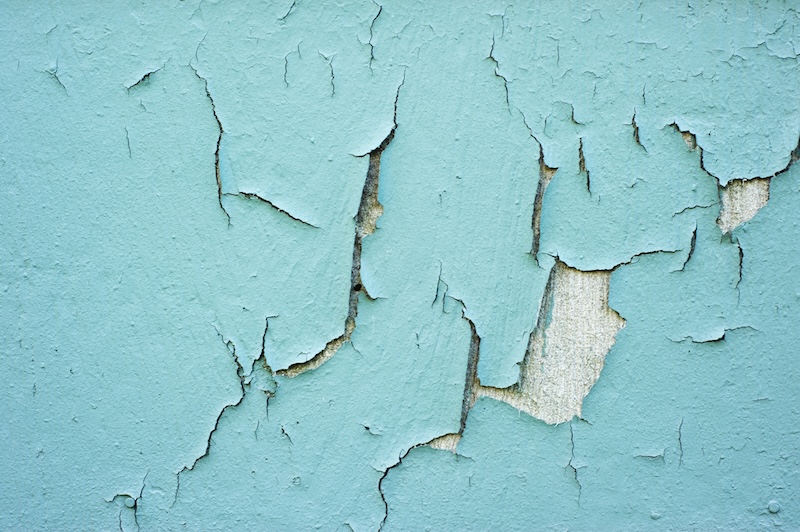
Lead-based paint is one of the most widespread environmental health hazards in American housing. It was used in residential paint formulations until 1978, when the Consumer Product Safety Commission banned its use in household paint, and virtually every home built before that date contains it somewhere. The presence of lead paint in a home isn’t by itself an emergency, but it requires a level of awareness and management that too many homeowners don’t have. Understanding where lead-based paint is found, how exposure happens, and what to do about it is essential knowledge for anyone living in or renovating a pre-1978 home.
Where Lead-Based Paint Is Found and Why It Matters
Lead-based paint doesn’t present the same risk in every location it exists. Intact paint that is well-adhered and not subject to friction or disturbance is relatively stable; the lead stays in the paint, and the paint stays on the surface. The risk escalates dramatically when lead paint deteriorates or is disturbed. Deteriorating paint produces chips and dust. Paint on friction surfaces is ground into fine dust every time the surface is used. Paint on impact surfaces chips from regular contact. The locations of greatest concern are windows and their frames, where friction from opening and closing generates fine lead dust that settles on sills and spreads easily, and exterior surfaces that are peeling or deteriorating, which create soil contamination as paint chips accumulate around the home’s perimeter where children playing outdoors are directly exposed.
How Lead-Based Paint Exposure Happens and Who Is Most at Risk
Lead exposure from lead-based paint occurs primarily through ingestion of lead dust and paint chips, not through skin contact or simply being in the same room as intact paint. This is an important distinction because it changes what actions are actually protective. Children under six are at the greatest risk. Their developing nervous systems are significantly more sensitive to lead’s neurotoxic effects. They’re more likely to ingest lead dust through normal hand-to-mouth behavior, touching contaminated surfaces and putting hands in their mouths. And they spend more time at floor level where lead dust concentrates. The health consequences of elevated blood lead levels in young children could be significant and are not fully reversible.
Adults are also at risk, particularly those who are pregnant, as lead can be transferred to the developing fetus and affect fetal neurological development. Adults are meaningfully at risk during renovation activities that disturb paint surfaces.
Testing, Encapsulation, and Renovation Rules
The appropriate response to lead-based paint depends on its condition, location, and whether renovation is planned. These factors determine whether monitoring, encapsulation, or abatement is the right course of action. Testing establishes whether lead is present and where. Lead test swabs provide a quick field indication on painted surfaces. A certified lead inspector using XRF technology provides a more comprehensive assessment, identifying the location, extent, and condition of lead paint throughout the home without disturbing surfaces. A risk assessment goes further, identifying which conditions represent the greatest exposure risk and recommending prioritized remediation.
Encapsulation, covering intact paint with a specially formulated encapsulant or covering it with new building materials, is often preferred over removal for stable surfaces. It’s less disruptive, less expensive, and eliminates the exposure risk without the hazards inherent in abatement. The EPA’s Renovation, Repair, and Painting Rule requires that contractors working in pre-1978 homes be certified in lead-safe work practices when work will disturb painted surfaces. This includes common renovations. Hiring non-certified contractors or doing it yourself without lead-safe practices creates the conditions for the most significant acute lead-based paint exposure events that residential homes produce.
Frequently Asked Questions (FAQs)
How do I know if my home has lead-based paint?
Any home built before 1978 should be assumed to contain lead-based paint until testing indicates otherwise; homes built before 1940 are almost certain to have a significant presence. Lead test swabs test specific surfaces on contact. A certified inspector using XRF technology can assess the entire home comprehensively without disturbing surfaces.
Is lead-based paint dangerous if it’s not peeling or chipping?
Intact, well-adhered lead-based paint not on a friction or impact surface poses relatively low immediate risk. The risk profile changes significantly when paint deteriorates, is on windows or doors regularly opened and closed, or is subject to any disturbance including scrubbing or sanding. Monitoring the condition of known lead paint and addressing deterioration promptly is the management approach that keeps intact paint from becoming a hazard.
What should I do if I find peeling paint in a pre-1978 home?
Don’t sand, scrape, or dry-sweep it; these actions generate the fine lead dust that creates the most significant exposure risk. For small areas of deteriorating paint, wet methods limit exposure during cleanup. For more significant deterioration, contact a certified lead abatement contractor. Test children who may have been exposed through a pediatrician; blood lead testing is the only way to confirm whether exposure has occurred.
Do I need to disclose lead paint when selling my home?
Yes. Federal law requires sellers of pre-1978 homes to disclose known information about lead-based paint hazards, provide buyers with an EPA-approved pamphlet, include a lead warning statement in the sale contract, and allow buyers a ten-day inspection period. Sellers are not required to test before sale, only to disclose what is known.
How much does lead-based paint testing and abatement cost?
A lead risk assessment typically costs $300 to $600. Abatement costs vary enormously. Many state and local health departments offer free or subsidized testing and abatement assistance for families with young children, particularly those with elevated blood lead levels. Contact your local health department for available programs.
Home Inspectors of Columbus provides inspections to homebuyers and sellers in the Chattahoochee Valley of Georgia. Contact us to request an appointment for our services.