
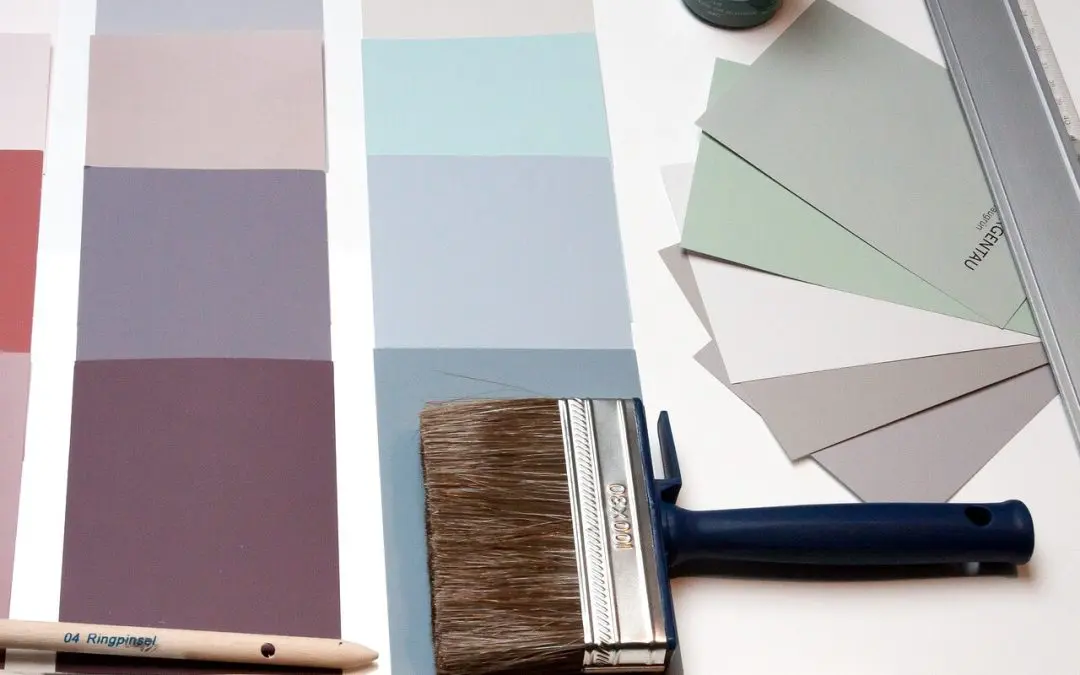
Choosing paint colors for your home is one of the most impactful decisions a homeowner can make. Color influences mood, defines space, and even affects how large or welcoming a room feels. While paint is often considered an easy update, selecting the right shade takes more thought than grabbing a swatch that looks good in the store. Lighting, room function, and existing finishes all play a role in making sure the final result feels intentional and timeless rather than rushed or trendy.
Understanding the Mood Each Room Should Create
Every room serves a purpose, and paint color should support how the space is meant to be used. Calm, soft tones often work well in bedrooms and bathrooms, where relaxation is the primary goal, while warmer or richer shades can add energy to kitchens and living areas. When choosing paint colors, it’s helpful to consider how you want to feel when you enter the room. A color that feels exciting in a showroom may feel overwhelming once it covers four walls, so balance is key.
Understanding Lighting and Finishes Before Choosing Paint Colors
Lighting may significantly alter the appearance of a color throughout the day. Natural light brings out undertones that may not be visible under artificial lighting, while north-facing rooms often appear cooler and darker. Choosing paint colors without testing them in the actual space is one of the most common mistakes homeowners make. Sampling paint on multiple walls and observing it at different times of day will prevent surprises once the room is finished. Paint should work in harmony with what is already in the home. Flooring, countertops, cabinetry, and even furniture can clash with the wrong shade. Choosing paint colors that complement these permanent features creates a cohesive look that feels professionally designed. Undertones matter more than many people realize, and even neutral colors may lean warm, cool, or gray depending on their base.
Choosing Paint Colors That Flow Throughout the Home
While each room may have its own personality, a home should still feel connected. Choosing paint colors that transition smoothly from one space to the next helps create visual flow. This doesn’t mean every room must be the same color, but using related tones or consistent undertones will make the entire home feel more polished. This approach is especially important in open-concept layouts where multiple spaces are visible at once.
Balancing Trends with Timeless Appeal
Trendy colors can be exciting, but they may not stand the test of time. Choosing paint colors that feel classic while still allowing room for personal style is often the safest approach. Trend-forward shades can still be incorporated through accent walls, furniture, or décor, which are easier to update later. This balance helps protect both comfort and long-term appeal, especially for homeowners who may sell in the future. Color is only part of the equation when choosing paint colors. Finish plays a major role in durability and appearance. Higher-gloss finishes reflect more light and highlight imperfections, while matte and eggshell finishes create a softer look. Matching the finish to the room’s function ensures the paint holds up to daily use.
Making the Final Decision with Confidence
No matter how confident a choice feels, testing is essential. Paint samples should be applied generously and viewed under normal lighting conditions. Living with a sample for a few days will reveal whether the color truly works with the space. This step is especially important when choosing paint colors for large or highly visible areas of the home. Choosing paint colors doesn’t have to feel overwhelming. Taking time to evaluate lighting, finishes, and the purpose of each room leads to decisions that feel thoughtful and satisfying. A well-chosen color will enhance daily living and bring lasting enjoyment, making the effort well worth it.
Frequently Asked Questions (FAQs)
How many colors should be used in one home?
Most homes benefit from a limited palette that includes a main color and a few complementary shades.
Do lighter colors always make rooms feel bigger?
Lighter colors can make spaces feel more open, but darker colors will add depth and character when used intentionally.
Should ceilings always be white?
Subtle color can add warmth or drama depending on the desired effect.
Is it better to match paint to furniture or décor?
Paint is usually easier to change than furniture, so it’s often best to choose paint colors that complement existing major pieces rather than matching them exactly.
How often should interior paint be updated?
Many homeowners refresh interior paint every five to ten years, depending on wear, style changes, and personal preference.
Home Inspectors of Columbus provides inspections to homebuyers and sellers in the Chattahoochee Valley of Georgia. Contact us to request an appointment for our services.